


Table of Contents
- What Makes an Apparel Brand Mission Community-Focused
- Apparel Brand Mission Statement Examples That Drive Results
- How to Build a Community Around a Clothing Brand
- Social Impact in the Fashion Industry and Why It Matters
- Aligning Your Brand Values With Product Design and Quality
- Authentic Engagement Strategies That Build Trust
- Measuring Mission Impact and Demonstrating Real Change
- Avoiding Mission-Driven Marketing Pitfalls
Last Updated: August 23, 2026
What Makes an Apparel Brand Mission Community-Focused
A community-focused apparel brand mission centers on creating meaningful connections between the brand, its customers, and the local region they represent. It goes beyond selling merchandise to building a shared identity where every purchase reinforces belonging to something larger than yourself.
Many apparel brands treat community as a marketing buzzword, slapping a local name on generic products. A genuine community-focused mission starts with the community's real needs, values, and sense of place, then builds products and messaging around those foundations.
Indiana Bears Progress exemplifies this approach. The brand channels the energy and pride of Northwest Indiana residents who care about their region's future. When someone wears Indiana Bears apparel, they're representing a movement and a shared vision for what the community can become.

The most effective community-focused missions are transparent about what they stand for, listen to customer feedback, reinvest in the community through actions, and maintain consistency between stated values and actual operations.
Apparel Brand Mission Statement Examples That Drive Results
Your mission statement should answer three fundamental questions: Who are we? Why do we exist? What change do we want to create?
Strong mission statements avoid vague language. "We make quality clothing" doesn't inspire loyalty. "We create apparel that helps Northwest Indiana residents visibly support their community's future" specifies the audience, emotional benefit, and larger purpose.
Indiana Bears Progress demonstrates this approach: delivering high-quality merchandise that reflects dedication to the region while supporting the broader movement around stadium development and local pride.

Consider these elements when crafting your mission:
- Specificity over generality: Name the community you're serving. "Northwest Indiana" resonates more than "the region."
- Emotional anchor: Connect to pride, belonging, or shared purpose, not just functionality.
- Action-oriented language: Use verbs that suggest movement and impact: "help," "represent," "champion," "amplify."
- Authenticity signal: Reference something real about your community that proves you understand what you're serving.
- Benefit beyond the product: Explain what wearing your apparel enables someone to express.
A mission statement like "We create exclusive, community-focused apparel for people who want to rep their region with authentic style" tells potential customers exactly what they're buying into.
How to Build a Community Around a Clothing Brand
Building a real community requires intentional strategy. The difference between a brand with an audience and a brand with a community is engagement depth.
Start by identifying your core audience. For Indiana Bears Progress, that's Chicago Bears fans in Northwest Indiana, local stadium development advocates, and residents who take pride in their region. Create spaces where community members interact beyond buying products, local events, online forums, or a dedicated website space where customers share photos wearing your gear.
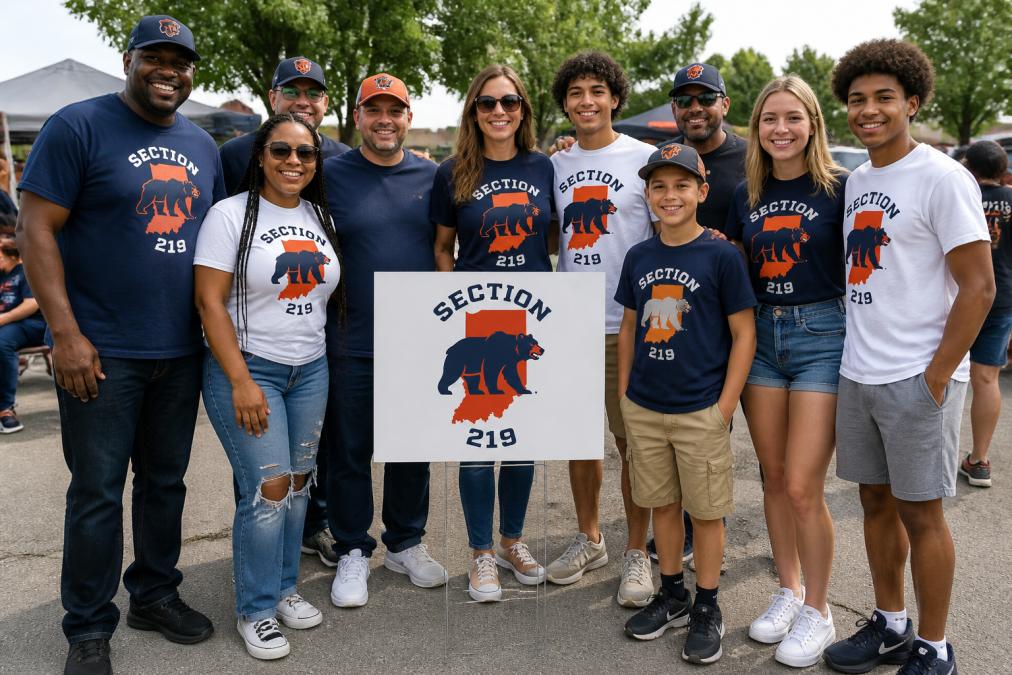
Consistency in brand voice and values matters enormously. If your mission emphasizes community support but your supply chain practices contradict that, the disconnect will be noticed. Transparency about where and how products are made builds trust faster than any marketing campaign.
Invite feedback and respond to it publicly. When customers suggest designs or share why your apparel matters, acknowledge it. This signals you're listening and that community members have a voice in shaping the brand.
The most effective community-building happens when customers feel like co-creators rather than consumers. Indiana Bears Progress builds this by explicitly connecting product purchases to the broader movement, every sale supports tracking and promoting the stadium development initiative.
Social Impact in the Fashion Industry and Why It Matters
The fashion industry generates enormous waste and relies on supply chains that often exploit labor (peer-reviewed research). Conscious consumers increasingly care about these realities. A community-focused apparel brand that ignores social impact will struggle to maintain authentic credibility.
Social impact typically addresses three areas: environmental sustainability, ethical labor practices, and community reinvestment. A brand doesn't need to solve all three perfectly, but should have genuine commitment to at least one with transparency about the others.
Environmental impact starts with material choices. Organic cotton, recycled polyester, and plant-based alternatives reduce water and chemical footprint. Indiana Bears Progress includes vegan-friendly accessory options, signaling environmental consciousness to aligned customers.
Ethical labor practices mean fair wages, safe working conditions, and respect for workers' rights. This is both a moral and trust issue. If your mission emphasizes community pride but products are made under exploitative conditions, that contradiction will damage your brand irreparably.
Community reinvestment is where your mission becomes tangible action. Indiana Bears Progress channels support toward tracking and promoting the stadium development initiative, creating a direct link between purchases and community benefit.
Transparency about social impact efforts matters as much as the efforts themselves. Share where products are made, explain material choices, and show what percentage of revenue supports community initiatives. This honesty builds credibility in ways vague sustainability claims never will.
Aligning Your Brand Values With Product Design and Quality
Your apparel brand mission means nothing if products don't reflect those values. Misalignment between mission and execution is the fastest way to lose community trust.
Quality is the first alignment point. If your mission emphasizes pride in representation, customers expect products that last. Cheap materials, loose seams, and faded prints signal disrespect for the community. Indiana Bears Progress uses 100% ring-spun cotton with garment-dyed finishes and double-needle stitching, signaling durability and care (peer-reviewed research). The brand also offers vegan wallets and Magsafe-compatible accessories, expanding the line while maintaining vegan-friendly commitment.
Design choices communicate values too. Does your apparel celebrate the community authentically, or rely on clichés? Does it appeal to your specific demographic or feel generic? A design reflecting genuine local pride resonates differently than one applicable to any region.
Pricing alignment is critical. If your mission emphasizes supporting the community movement, premium pricing needs justification. Customers should understand what they're paying for: material quality, ethical production, community reinvestment, or a combination. Transparency prevents the objection that you're overcharging for a logo.
The product experience extends beyond the item itself. How does it arrive? Is packaging thoughtful? Does unboxing reinforce your brand values? Small details compound into a complete brand experience that either validates or contradicts your mission.
Authentic Engagement Strategies That Build Trust
Authentic engagement means showing up consistently, being honest about limitations, and proving your mission extends beyond marketing.
Engage in actual community conversations rather than just broadcasting products. If there's local discussion about stadium development or regional pride, participate genuinely and add value.
User-generated content is one of the most authentic engagement tools (peer-reviewed research). Encourage customers to share photos wearing your apparel and feature them on your channels. This provides social proof, makes customers feel valued, and creates a visual record of your brand's real-world impact.
Respond to criticism honestly. If someone points out a flaw or questions your claims, address it directly. Defensive responses destroy trust; thoughtful responses build it.
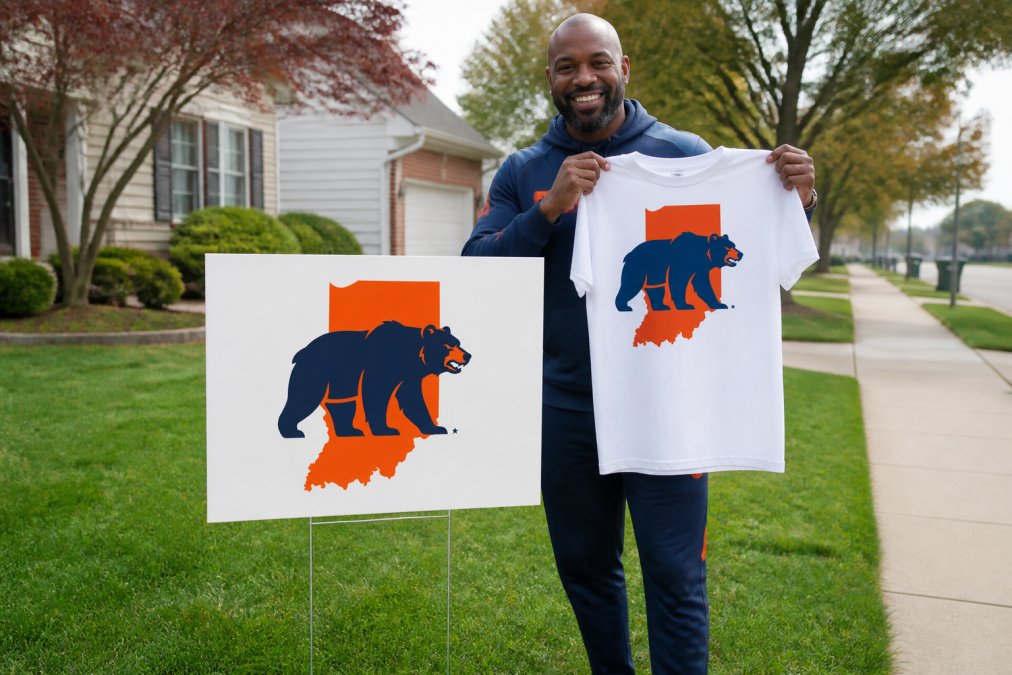
Host or sponsor community events. These don't need to be elaborate. Local gatherings where customers meet and connect over shared values create bonds online engagement can't replicate. Indiana Bears Progress yard signs and apparel naturally become conversation starters at community events.
Be transparent about what you're learning. If you made a mistake in sourcing or design, acknowledge it and explain what you're changing. This vulnerability builds more trust than false confidence.
Measuring Mission Impact and Demonstrating Real Change
A community-focused mission means nothing without measurable outcomes. Define what you're measuring and be honest about progress.
Establish baseline metrics before launch. How many community members are aware of your brand? How many actively support the movement? How much revenue are you generating? These create reference points for measuring growth.
Track engagement depth, not just vanity metrics. Email subscribers who open messages and click through matter more than passive followers. Community members matter more than observers.
Measure community impact directly. If your mission includes stadium development tracking, how many people are you reaching? If environmental sustainability, what waste reduction have you achieved? If community reinvestment, how much revenue flows back and what does it fund?
Create a simple dashboard tracking your most important metrics and share it publicly. This demonstrates you take your mission seriously and accept accountability.
Qualitative feedback matters as much as quantitative data. Collect customer stories about what your apparel means to them. Ask community members whether your brand authentically represents their values. These narratives reveal impact numbers alone can't capture.
The most important measurement is alignment between your mission statement and actual operations. Are you doing what you said? Are you investing in the community you claim to serve? Regular honest assessment matters more than polished metrics.
Avoiding Mission-Driven Marketing Pitfalls
The biggest pitfall is confusing marketing with mission. Marketing is not the mission itself. Brands that prioritize marketing over mission-alignment eventually get caught in the contradiction.
Performative activism is a specific risk. Claiming to support a cause without meaningful action damages credibility faster than not claiming support at all. If your mission emphasizes community support but you're not reinvesting in that community, customers will notice.
Avoid over-promising on social impact. Say "We're committed to ethical labor practices in our primary manufacturing facility" rather than "We guarantee ethical labor throughout our entire supply chain." The first is verifiable; the second invites skepticism.
Don't let mission statements become static. Communities evolve and values shift. Revisit your mission regularly and be willing to evolve it based on community feedback.
Beware of mission creep. A brand focused on Northwest Indiana pride shouldn't suddenly become a national sustainability leader. Stay focused on what you do authentically well.
Pricing inconsistency undermines mission credibility. If you charge premium prices without delivering premium quality or transparent value, customers perceive exploitation dressed in mission language. Price fairly for the value you're delivering.
The final pitfall is losing connection with your original community as you grow. Scaling a mission-driven brand requires maintaining the authenticity that attracted your initial community. Successful brands scale by deepening community connection, not abandoning it for growth.
A community-focused apparel brand mission succeeds when it bridges the gap between what you claim to stand for and what you actually do. Indiana Bears Progress demonstrates this by creating merchandise that lets Northwest Indiana residents visibly support their region while maintaining quality standards and transparent commitment to the movement. Start with authentic connection to your community's values, back that up with quality products and ethical practices, and measure your impact honestly. Customers aren't looking for perfection, they're looking for genuine effort and transparent accountability. Deliver that, and you'll build a community that doesn't just buy your products but becomes advocates for your mission. Shop the Indiana Bears - The Region T-shirt and Indiana Bears - Section 219 Yard Sign to represent your community with authentic, mission-driven style.
Frequently Asked Questions
What makes an apparel brand mission community-focused?
A community-focused apparel brand mission goes beyond selling products, it prioritizes the values and identity of the people who wear it. It reflects shared purpose, local pride, or a movement larger than the brand itself. Indiana Bears Progress exemplifies this by centering its mission on supporting the Northwest Indiana community and the Bears stadium movement. The brand identity is inseparable from the community it serves, creating emotional connection rather than just transactional relationships.
How do you write a mission statement for a clothing brand?
Start by identifying your core values and the specific community you serve. Ask: What change do we want to create? Who are we serving? What makes us different? Your mission should be clear, authentic, and actionable, not vague corporate language. Indiana Bears Progress uses direct language: empowering the community to showcase local pride and support the region's movement. Write in your brand voice, keep it to 1-2 sentences, and ensure it reflects genuine commitments you can deliver through your products and actions.
Why is social impact important for fashion brands today?
Modern consumers, especially those aged 18-45, actively support brands aligned with their values. Social impact, whether environmental stewardship, ethical labor practices, or community development, drives customer retention and brand advocacy. Brands demonstrating real impact through transparent practices build trust and emotional connection. For apparel brands, this means showing how production practices, supply chain ethics, and community involvement create meaningful change. Consumers are willing to pay more for quality merchandise that reflects their values and supports causes they believe in.
How can a small apparel brand demonstrate community impact without a large budget?
Focus on transparency and direct engagement. Share your sourcing practices, production methods, and community contributions openly. Use social media and email to highlight customer stories and local initiatives. Partner with community organizations for events or sponsorships. Indiana Bears Progress demonstrates impact by offering exclusive merchandise that directly supports the Northwest Indiana movement, creating a feedback loop where customers see their purchases fueling regional conversation. Authenticity and consistency matter more than scale, show up for your community regularly, not just during marketing campaigns.
This article was written using GrandRanker